
Mould from damp walls and ceilings does not just harm the home itself. It spreads onto furniture, clothes, shoes, books, and other things you own. Your
On this page
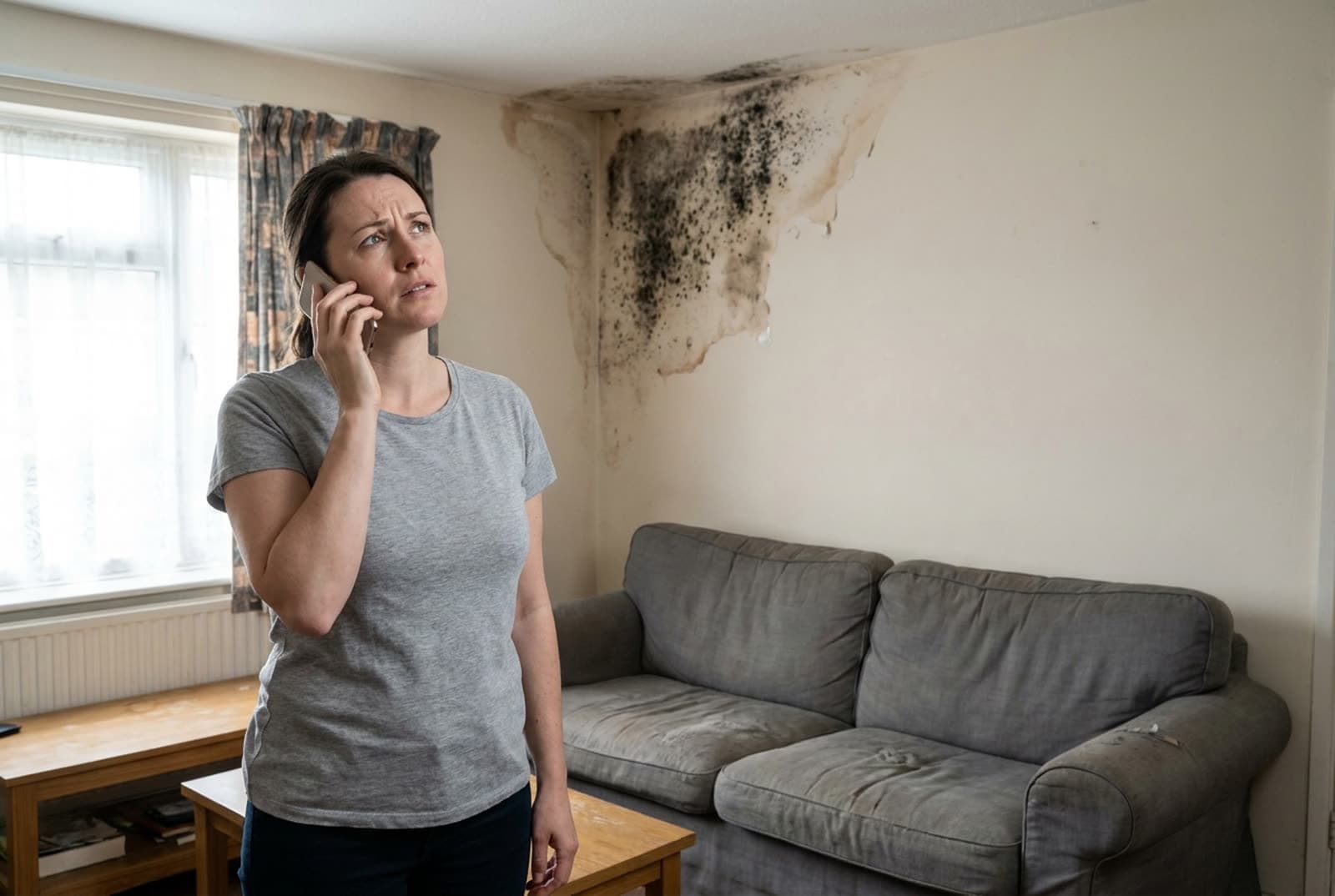
Mould from damp walls and ceilings does not just harm the home itself. It spreads onto furniture, clothes, shoes, books, and other things you own. Your landlord may not have fixed the damp. If that mould has damaged your things, you may be able to claim money back. This page covers when your landlord is to blame and what you can do.
Key facts
- The 2024 to 2025 English Housing Survey found about 5% of homes in England, around 1.4 million, had a problem with damp, most common in privately rented homes (10%). English Housing Survey 2024-25, GOV.UK
- Official guidance from the UK Health Security Agency and the Department of Health and Social Care links damp and mould in homes in England to around 5,000 cases of asthma and 8,500 lower respiratory infections among children and adults. Health risks of damp and mould, GOV.UK
Why does mould spread to belongings?
A home can get damp in many ways. Water can come in through a leaking roof or pipe. Walls can fail. Damp air can build up inside. The extra water in the air then settles on surfaces all around the room. Mould grows where there is moisture and warmth. This means:
- Clothes kept in wardrobes against damp outside walls are most at risk
- Shoes, leather goods, and bags can grow mould
- Soft things like sofas and mattresses can soak up spores
- Books, papers, and other soft materials can be ruined
Once mould is on fabric or leather, it is very hard to remove. Sometimes you cannot remove it at all.
When is the landlord responsible?
Your landlord must fix the things that cause damp and lead to mould. Section 11 of the Landlord and Tenant Act 1985 says landlords must keep the structure and outside in good repair. This includes roofs, outside walls, and pipes. The Homes (Fitness for Human Habitation) Act 2018 says the home must be fit to live in.
Damp and mould can have many causes. It may come from a fault in the building, a failing damp-proof course, a leaking roof, or water getting in through cracked outside walls. It can also come from a home that holds heat poorly. If your landlord knew about the problem and did not fix it, you may be able to claim for the damage to your things.
What counts as damage to belongings?
In a housing disrepair claim, you can claim for things that have been:
- Ruined by mould and can no longer be used (such as a mould-covered mattress that cannot be cleaned)
- So stained or marked by mould that they are now worth much less, for good
- Made unsafe by mould, so you have to replace them (such as clothes you cannot safely wear after mould has grown on them)
It is harder to claim for things with sentimental value, or things that no one can put a price on. But it is not impossible if you can show what the item was worth.
What evidence do you need?
To back up a claim for damaged things, you should:
- Photograph everything: take photos of mould on your things. Show how bad the damage is and where it is in the home.
- Keep damaged items: if you can, keep the damaged things until your claim is sorted. Do not throw them away before you speak to a solicitor.
- List what is damaged: write a list of the things that were affected. Add what each one was worth or costs to replace, and what you used it for.
- Show you reported the damp: your landlord only has to pay you if they were told about the problem and did not fix it. Keep a record of when you told them.
Can I claim for the cost of replacing belongings?
Yes. In a housing disrepair claim, you can claim for the cost of replacing things that the damp or mould damaged, where your landlord failed to fix the cause. The amount is based on what it costs to replace the item. It usually takes into account how old the item is and what condition it was in.
When should I contact Support for Tenants?
You may have mould in your home caused by disrepair your landlord has not fixed. If that mould has damaged your things, you may have a claim that includes money for those things.
Call us on 0800 030 4669. No upfront cost. You only pay if you win, and the fee comes out of the compensation, not your pocket. If you don't win, you pay nothing.
Sources
- Section 11, Landlord and Tenant Act 1985 (legislation.gov.uk)
- Homes (Fitness for Human Habitation) Act 2018 (legislation.gov.uk)
Related articles
- Landlord not fixing damp, what to do
- Black mould, health risks for tenants
- How to report disrepair to your landlord
We review every guide at least twice a year and update it when the law changes. If you spot something out of date or wrong, email help@supportfortenants.co.uk.
Reviewed against current housing law for England and Wales as at 15 June 2026. Checked by our SRA-regulated panel solicitors. This is general information, not legal advice for your specific case. Any compensation figures or ranges shown are illustrative only, not a promise; every case is different.
Related guides
Can I sue my landlord for mould?
Yes. If your landlord ignores damp and mould, you can claim. Here is the law and how it works.
Read
How to report damp to your landlord (and make it stick)
The exact steps to report damp in writing, what evidence to keep, and what your landlord must do under Awaab's Law. 5-minute read.
Read
Is condensation the landlord's fault or mine?
Often the landlord's. If condensation comes from poor ventilation, cold walls, or a building fault, it is their job to fix. Here is how to tell.
Read
Still stuck?
Call us free or start a claim online. We'll tell you honestly whether you have a case worth pursuing.