Damp, mould and cold are dangerous for anyone. But older people face higher health risks than most. If you are an older tenant, or you are helping an elderly
On this page
- Key facts
- Why older people are more at risk
- What temperatures should a rented home be?
- Is the landlord responsible for keeping the home warm enough?
- What if the damp or cold is making an older tenant ill?
- What about Awaab's Law?
- What can an older tenant do?
- When should I contact Support for Tenants?
- Sources
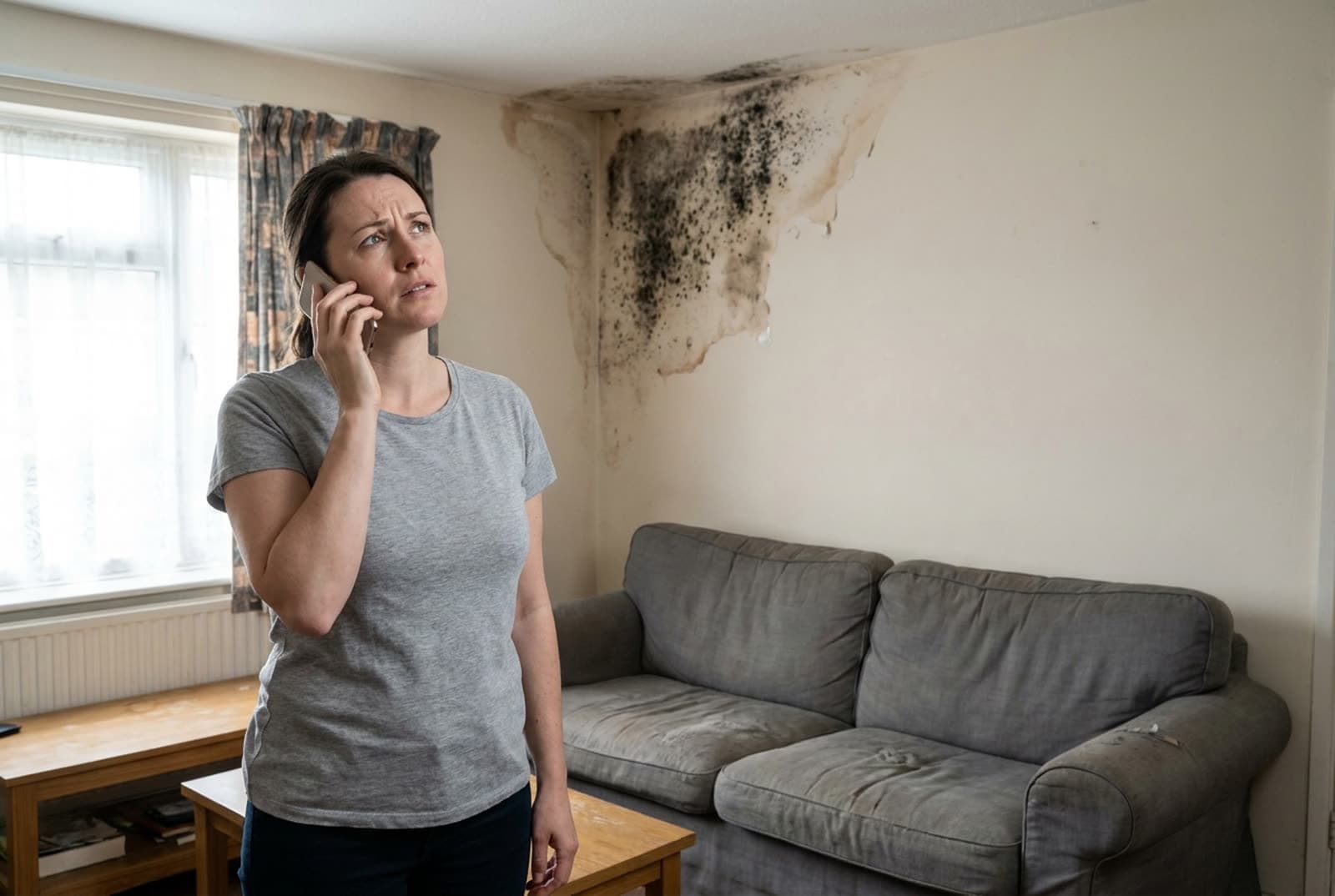
Damp, mould and cold are dangerous for anyone. But older people face higher health risks than most. If you are an older tenant, or you are helping an elderly family member, this guide explains why these conditions are so serious. It also covers what you can do. Government guidance warns that the respiratory effects of damp and mould "can cause serious illness and, in the most severe cases, death," and names older people among those most at risk.
Key facts
- Official guidance from the UK Health Security Agency and the Department of Health and Social Care links damp and mould in homes in England to around 5,000 cases of asthma and 8,500 lower respiratory infections among children and adults. Health risks of damp and mould, GOV.UK
- The 2024 to 2025 English Housing Survey found about 5% of homes in England, around 1.4 million, had a problem with damp, most common in privately rented homes (10%). English Housing Survey 2024-25, GOV.UK
Why older people are more at risk
As people age, the body finds it harder to hold its temperature and fight infection. Many older people also live with heart disease, lung conditions, or weakened immune systems. All of these make a damp, cold or mouldy home more dangerous.
The key risks:
- Chest and lung illness. Mould releases spores that inflame the airways. Older people with COPD, asthma or pulmonary fibrosis can go downhill fast.
- Cold-related illness. A cold home raises the risk of heart attacks, strokes, and hypothermia. The heart works harder just to keep the body warm.
- Falls. Cold stiffens muscles and dulls coordination. Condensation on floors causes slips.
- Infections. Mould exposure raises the risk of chest infections and pneumonia, which hit older people harder.
- Mental health. Being stuck in a cold, damp home all winter, especially with limited mobility, feeds depression and anxiety.
What temperatures should a rented home be?
There is no single legal minimum temperature for private rented homes. But the Housing Health and Safety Rating System (HHSRS) treats cold as a hazard when living rooms cannot reach 21°C and bedrooms cannot reach 18°C. A home that often falls short may have a Category 1 hazard. Councils must act on those.
Is the landlord responsible for keeping the home warm enough?
Your landlord must:
- Keep the heating system in repair and working order (Section 11, Landlord and Tenant Act 1985)
- Keep the structure and outside, the roof, walls and windows, in repair, so heat is not pouring out through faults in the building
- Install working heating if none exists, though this depends on the tenancy terms
Your landlord does not pay your energy bills. But they must keep the heating equipment working. A broken boiler left unrepaired beyond a reasonable time is a breach of their duty.
What if the damp or cold is making an older tenant ill?
If the home has caused a health problem, or made one worse, that harm can form part of a disrepair claim. That sits alongside the claim for the repairs themselves.
Evidence that helps:
- Medical records showing a condition starting or worsening during the disrepair
- Letters from your doctor linking the condition to the home
- A surveyor's report confirming the damp, mould or cold and how bad it is
What about Awaab's Law?
From 27 October 2025, Awaab's Law sets deadlines for social landlords (councils and housing associations). They must look into a significant damp and mould hazard within 10 working days. They must make an emergency hazard safe within 24 hours. They must send you a written summary within 3 working days of the check ending. They must complete work to make the home safe within 5 working days of the check ending. Bigger follow-on works must start within 12 weeks. If you are a social tenant and your landlord missed these deadlines, your complaint is stronger for it.
Private tenants are not directly covered by Awaab's Law. But the same logic drives a disrepair claim: the landlord knew, failed to act, and the tenant suffered.
What can an older tenant do?
- Report in writing. Email or letter, and keep a copy. A family member, carer, or support worker can help with this.
- See your doctor. Ask for a note in your records about how the home is affecting your health. That record may matter later.
- Contact the council. If the landlord does not respond, ask environmental health to inspect. They can issue improvement notices or emergency orders.
- Check benefit entitlements. The Warm Home Discount, Cold Weather Payments, and Winter Fuel Payment (if you qualify) help with bills. They do not replace the landlord's duty to repair.
When should I contact Support for Tenants?
Has an older tenant reported damp, mould or heating failure, and the landlord has not acted in a reasonable time? We may be able to help with a no win no fee housing disrepair claim.
Call us on 0800 030 4669. No upfront cost. You only pay if you win, and the fee comes out of the compensation, not your pocket. If you don't win, you pay nothing.
Sources
- Understanding and addressing the health risks of damp and mould in the home (GOV.UK)
- Landlord and Tenant Act 1985, Section 11 (legislation.gov.uk)
- Awaab's Law: guidance for social landlords (GOV.UK)
- English Housing Survey (GOV.UK)
We review every guide at least twice a year and update it when the law changes. If you spot something out of date or wrong, email help@supportfortenants.co.uk.
Reviewed against current housing law for England and Wales as at 15 June 2026. Checked by our SRA-regulated panel solicitors. This is general information, not legal advice for your specific case. Any compensation figures or ranges shown are illustrative only, not a promise; every case is different.
Related guides
Can I sue my landlord for mould?
Yes. If your landlord ignores damp and mould, you can claim. Here is the law and how it works.
Read
How to report damp to your landlord (and make it stick)
The exact steps to report damp in writing, what evidence to keep, and what your landlord must do under Awaab's Law. 5-minute read.
Read
Is condensation the landlord's fault or mine?
Often the landlord's. If condensation comes from poor ventilation, cold walls, or a building fault, it is their job to fix. Here is how to tell.
Read
Still stuck?
Call us free or start a claim online. We'll tell you honestly whether you have a case worth pursuing.