
It turns on the cause. Landlords often blame condensation on the tenant. But a fault they should fix may drive it: poor ventilation, missing extractor fans,
On this page
- In short
- Key facts
- What causes condensation?
- When is condensation the tenant's fault?
- When is condensation the landlord's responsibility?
- How can you tell condensation damp from rising or penetrating damp?
- What should you do if your home has condensation and mould?
- Can you claim compensation for condensation-related mould?
- When should I contact Support for Tenants?
- Sources
In short
It turns on the cause. Landlords often blame condensation on the tenant. But a fault they should fix may drive it: poor ventilation, missing extractor fans, cold spots in the structure, heating too weak to warm the home. Then it sits with them. Condensation born purely of everyday living, in a sound and well-aired home, you can cut yourself. Report it in writing so the cause gets investigated.
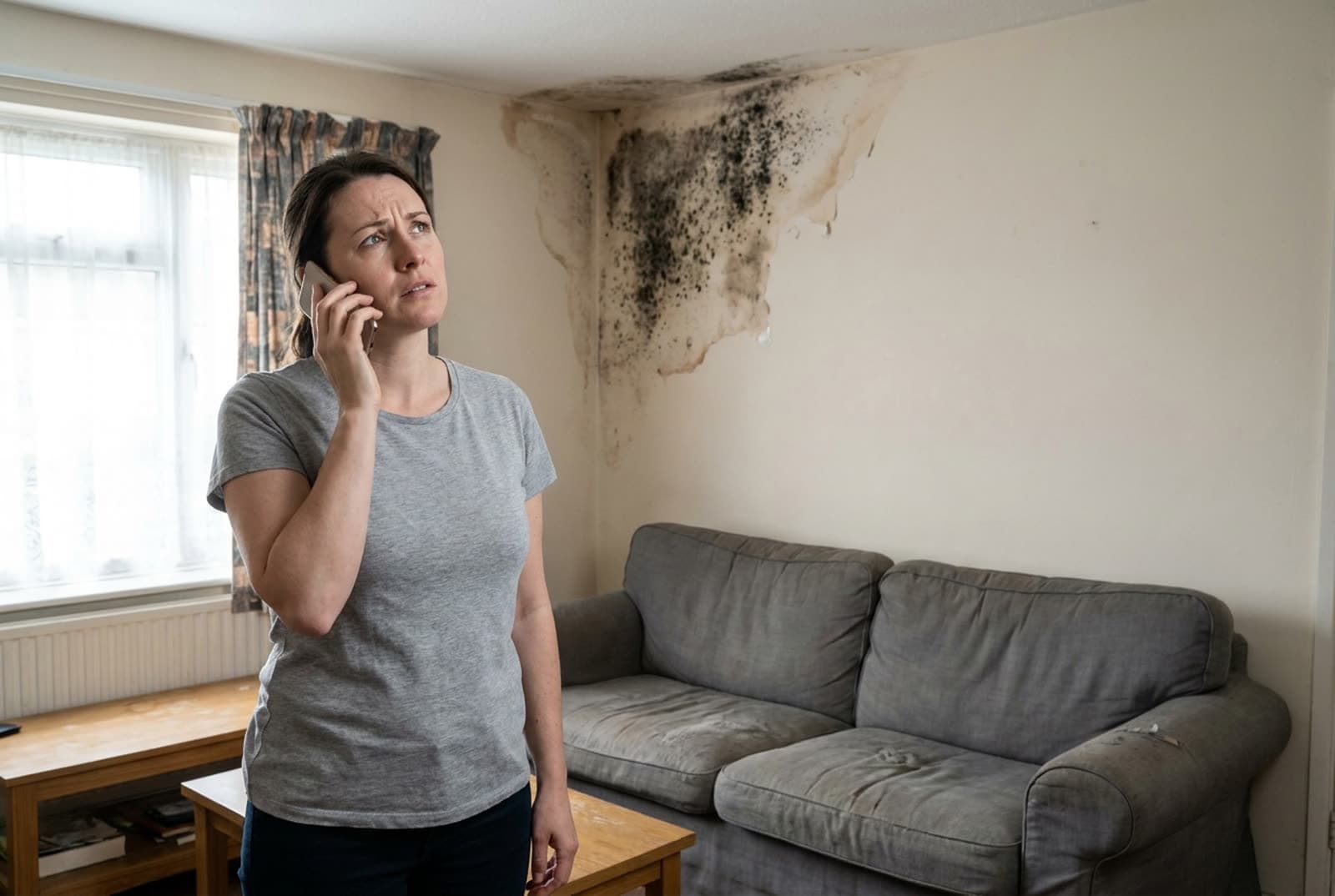
Condensation causes more damp and mould in rented homes than almost anything else. It is also fought over more than almost anything else. Landlords blame tenants, while the real cause sometimes sits in the structure or the heating, the landlord's to fix. Here is how condensation works, when the landlord answers for it, and what you can do.
Key facts
- The 2024 to 2025 English Housing Survey found serious condensation (3% of homes) was more common than penetrating damp (2%) or rising damp (1%). English Housing Survey 2024-25, GOV.UK
- The Housing Ombudsman's 2021 report "Spotlight on damp and mould: it's not lifestyle" called on landlords to stop automatically blaming tenants' lifestyle for damp and mould. Housing Ombudsman, Spotlight on damp and mould
What causes condensation?
Condensation happens when warm, moist air meets a cold surface. The moisture turns back into water droplets, on windows, walls, or around frames. Kept up, with the moisture unable to escape or dry, it breeds damp, and in time mould.
Everyday life loads the air with moisture: cooking, showering, drying clothes indoors, breathing. Some condensation is normal in any home.
When is condensation the tenant's fault?
How people live can worsen condensation. Blocked vents, windows never opened, loads of washing dried indoors unaired, extractor fans unused: all add to it.
Suppose a tenant's lifestyle truly is the sole cause. The landlord may then argue the damage is not theirs. In practice the argument runs hard to win, because most homes need proper ventilation and heating before condensation can be managed at all.
When is condensation the landlord's responsibility?
Condensation becomes the landlord's problem when:
- The heating runs weak or broken. A home that cannot warm properly leaves cold surfaces that always draw condensation. The law makes the landlord maintain the heating.
- The ventilation falls short. Building rules require proper ventilation in kitchens and bathrooms. Broken extractor fans, or vents blocked by how the building was built, may sit with the landlord.
- The home holds poor insulation or draughts. Cold outside walls draw condensation. Structural problems, poor insulation, single glazing in bad repair, or draughts through gaps may all sit with the landlord.
- The home simply cannot be heated warm. Some homes never warm: the heating cannot beat the cold surfaces. That can count as a fitness issue under the Homes (Fitness for Human Habitation) Act 2018.
How can you tell condensation damp from rising or penetrating damp?
Condensation damp usually shows in corners, on cold walls, around frames, and in badly aired rooms like bathrooms and kitchens. Cold weather makes it worst.
Rising damp climbs from the ground, usually showing near floor level with tide marks on the wall.
Penetrating damp comes through the building itself: a leaking roof, broken guttering, cracked outside walls. It often shows as patches worsening after rain.
Rising and penetrating damp both sit with the landlord. Condensation damp gets argued over. But a home lacking the heating or ventilation to manage moisture leaves the landlord a case to answer.
What should you do if your home has condensation and mould?
- Air the home where you can: windows open, extractor fans on, small gaps under inside doors
- Wipe condensation off windows and walls when you see it
- Report the problem in writing. Say where the mould sits and how bad it runs.
- Ask the landlord to inspect, and to fix weak heating or ventilation
- Serious mould with no landlord action goes to environmental health
Can you claim compensation for condensation-related mould?
Condensation caused partly or wholly by the landlord failing on heating or ventilation may support a disrepair claim. That covers health effects from the mould, damaged belongings, and the plain misery of living with it.
When should I contact Support for Tenants?
Mould born of condensation, and a landlord blaming you rather than fixing the heating or ventilation underneath? We may be able to help. We help private renters with disrepair claims on a no-win, no-fee basis.
Call us on 0800 030 4669. No upfront cost. You only pay if you win, and the fee comes out of the compensation, not your pocket. If you don't win, you pay nothing.
Sources
- Landlord and Tenant Act 1985, Section 11 (legislation.gov.uk)
- Homes (Fitness for Human Habitation) Act 2018 (legislation.gov.uk)
- Understanding and addressing the health risks of damp and mould in the home (GOV.UK)
- English Housing Survey (GOV.UK)
We review every guide at least twice a year and update it when the law changes. If you spot something out of date or wrong, email help@supportfortenants.co.uk.
Reviewed against current housing law for England and Wales as at 15 June 2026. Checked by our SRA-regulated panel solicitors. This is general information, not legal advice for your specific case. Any compensation figures or ranges shown are illustrative only, not a promise; every case is different.
Related guides
Can I sue my landlord for mould?
Yes. If your landlord ignores damp and mould, you can claim. Here is the law and how it works.
Read
How to report damp to your landlord (and make it stick)
The exact steps to report damp in writing, what evidence to keep, and what your landlord must do under Awaab's Law. 5-minute read.
Read
Is condensation the landlord's fault or mine?
Often the landlord's. If condensation comes from poor ventilation, cold walls, or a building fault, it is their job to fix. Here is how to tell.
Read
Still stuck?
Call us free or start a claim online. We'll tell you honestly whether you have a case worth pursuing.