Damp and mould hit babies and young children harder than adults. Their bodies are still growing. Their airways run smaller. They spend more time at home,
On this page
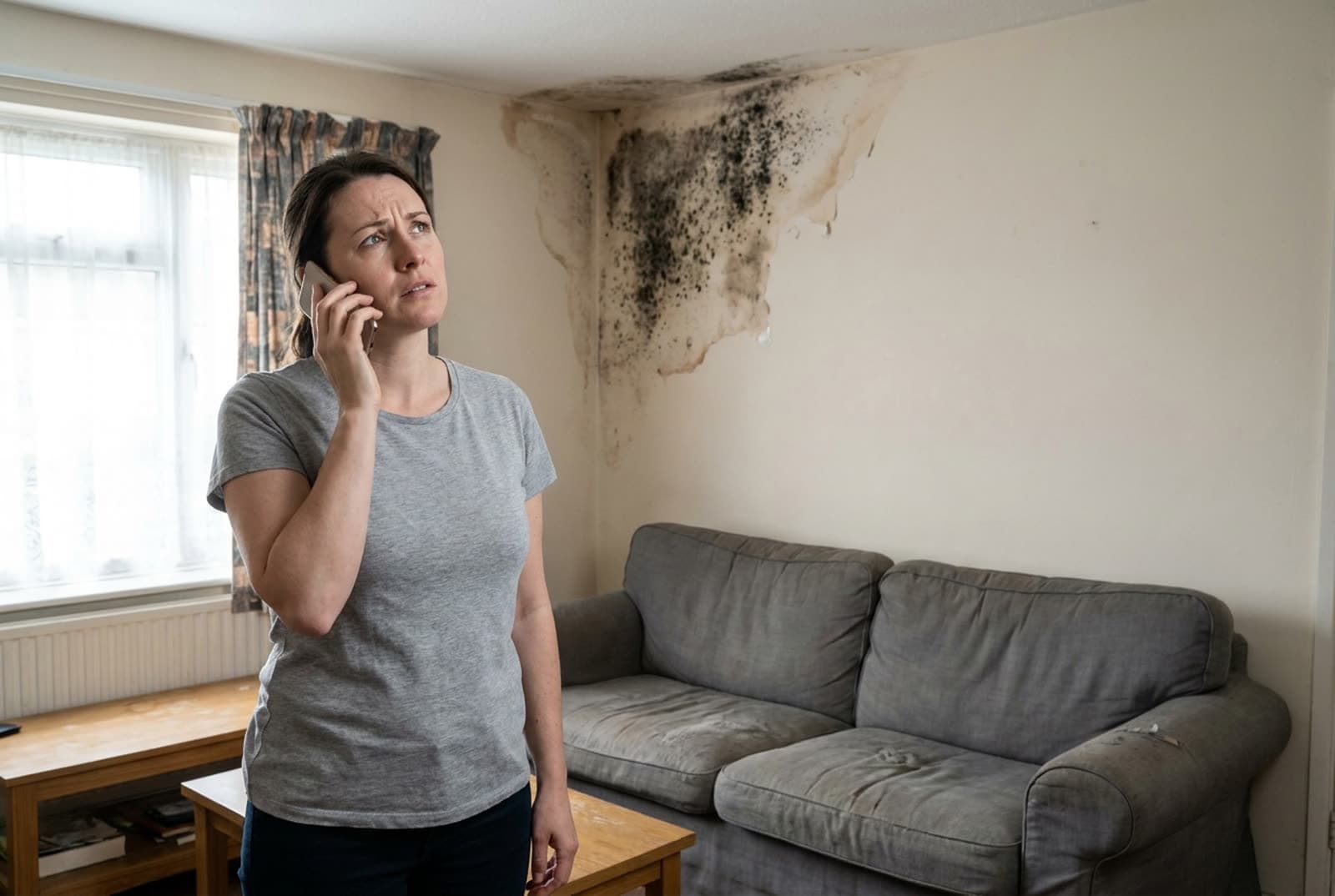
Damp and mould hit babies and young children harder than adults. Their bodies are still growing. Their airways run smaller. They spend more time at home, often in the worst rooms. Here are the health risks, and the landlord's legal duty.
And here is what to do when your home carries damp or mould. Government guidance warns the breathing effects "can cause serious illness and, in the most severe cases, death." It names babies and young children among those most at risk.
Key facts
- Official guidance from the UK Health Security Agency and the Department of Health and Social Care links damp and mould in homes in England to around 5,000 cases of asthma and 8,500 lower respiratory infections among children and adults. Health risks of damp and mould, GOV.UK
- The 2024 to 2025 English Housing Survey found about 5% of homes in England, around 1.4 million, had a problem with damp, most common in privately rented homes (10%). English Housing Survey 2024-25, GOV.UK
Why are babies and children particularly at risk?
Mould loads the air with spores and chemicals. Your child breathes them in over time. That can cause and worsen:
- Asthma: children in mouldy or damp homes get it more
- Chest infections, bronchitis and pneumonia among them
- Wheezing and coughing that will not go, and can look like a cold
- Skin problems, eczema included, which damp can start or worsen
- Allergic reactions: a runny nose, sore eyes, allergic rhinitis
- Growth and sleep, in bad long cases, as poor breathing takes its toll
Awaab Ishak died in 2020. He was two years old. Long exposure to mould in social housing killed him. His death brought a new law, Awaab's Law. It makes social landlords act on mould reports within strict time limits. Private landlords already carried a duty to keep homes free of health hazards. That duty stands.
What is the landlord's legal duty?
The landlord must keep your home free of serious health risks. The duty comes from:
- The Landlord and Tenant Act 1985: the structure, outside, heating, and drains must stay in repair
- The Homes (Fitness for Human Habitation) Act 2018: the home must be fit to live in at move-in, and all through your time there. Damp and mould that risks health makes it unfit
- The HHSRS rating system: damp and mould count as a Category 1 or 2 hazard, following how bad they run
Tell the landlord about a damp or mould problem. A failure to fix it breaks these duties.
What should I do if my baby or child is living with damp or mould?
- See your health visitor or the child's doctor about any breathing symptoms. Ask them to note the link between the symptoms and the home. The proof can matter later
- Photograph the mould: every affected area, dated
- Report in writing: where the mould sits, how long it has run, and that your child's health worries you
- Keep a written record of every contact
- Contact environmental health where no reply comes or things worsen. They can inspect and serve enforcement notices
- Weigh a disrepair claim: a landlord who never acted after being told may owe compensation for the harm
What evidence helps a claim?
- Photographs of the mould, with dates
- Medical records that show a link between the child's health and the home
- Copies of messages and letters you sent your landlord about the problem
- Any inspections by the local council or environmental health reports
When should I contact Support for Tenants?
We help tenants with housing disrepair claims. Damp or mould left unfixed in a private rented home, harming your child's health? We may be able to help you seek compensation.
Call us on 0800 030 4669. No upfront cost. You only pay if you win, and the fee comes out of the compensation, not your pocket. If you don't win, you pay nothing.
Sources
- Understanding and addressing the health risks of damp and mould in the home (GOV.UK)
- Landlord and Tenant Act 1985, Section 11 (legislation.gov.uk)
- Homes (Fitness for Human Habitation) Act 2018 (legislation.gov.uk)
- English Housing Survey (GOV.UK)
We review every guide at least twice a year and update it when the law changes. If you spot something out of date or wrong, email help@supportfortenants.co.uk.
Reviewed against current housing law for England and Wales as at 15 June 2026. Checked by our SRA-regulated panel solicitors. This is general information, not legal advice for your specific case. Any compensation figures or ranges shown are illustrative only, not a promise; every case is different.
Related guides
Can I sue my landlord for mould?
Yes. If your landlord ignores damp and mould, you can claim. Here is the law and how it works.
Read
How to report damp to your landlord (and make it stick)
The exact steps to report damp in writing, what evidence to keep, and what your landlord must do under Awaab's Law. 5-minute read.
Read
Is condensation the landlord's fault or mine?
Often the landlord's. If condensation comes from poor ventilation, cold walls, or a building fault, it is their job to fix. Here is how to tell.
Read
Still stuck?
Call us free or start a claim online. We'll tell you honestly whether you have a case worth pursuing.