
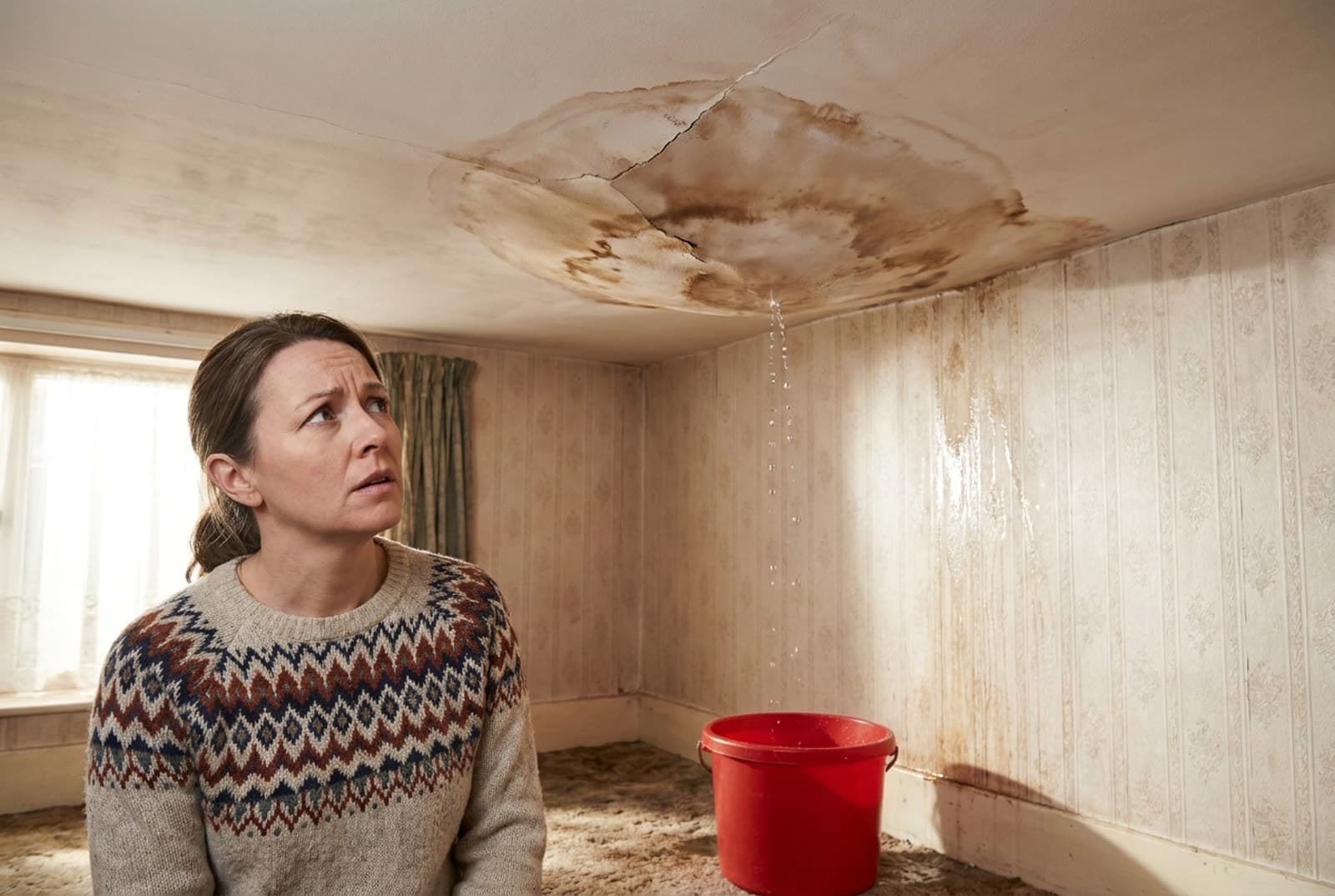
Flooding from inside the building, a burst pipe, a leak from the flat above, a failing roof, means the landlord must repair the structural damage. Flooding
On this page
The short answer
Flooding from inside the building, a burst pipe, a leak from the flat above, a failing roof, means the landlord must repair the structural damage. Flooding from outside runs more tangled, but the landlord still owes duties over the state the home is left in.
Flooding from inside the building
A burst pipe, an overflowing bath upstairs, or a leaking roof all sit under Section 11 of the Landlord and Tenant Act 1985. The landlord must keep the structure, the outside, and the water installations in good repair. Where those fail and water gets in, the landlord must fix the source and repair the damage done to the home.
This includes:
- Drying the home out, or paying for professional drying
- Repairing structural damage to floors, walls and ceilings
- Replacing damaged fixtures that belong to the home, fitted kitchen units or bathroom fittings, where they came with the tenancy
- Treating or heading off any mould the water leaves behind
Flooding from outside
Flooding from a river, surface water, or heavy rain runs more tangled. The flood itself is nobody's breach. But once the home has flooded, duties still bite.
Structural damage from the flood means Section 11 repairs. A home left unfit to live in brings in the Homes (Fitness for Human Habitation) Act 2018. No landlord can leave you in a damaged, damp or unsafe home just because the water came from outside.
Your belongings are your responsibility
The law makes no landlord replace your furniture, clothes, electronics or other personal things damaged in a flood. That falls to your own contents insurance. None in place? Worth taking out before something goes wrong.
Can I get a rent reduction?
Part of the home unusable after a flood? A rent cut may be owed for the time that part stays out of use. The amount should track the share of the home affected. Put any request in writing.
What to do right away
- Photograph everything before any drying or cleaning starts, dated and timed.
- List every damaged item in writing, with a rough value for each.
- Tell the landlord in writing as soon as you can. Email works well.
- Contact your contents insurer, where one exists.
- An unsafe or unlivable home means asking the landlord for somewhere else to stay. A refusal goes to the council's housing team.
A note for tenants in Wales
Wales runs its own law. The Renting Homes (Wales) Act 2016 gives most Welsh renters similar repair rights through their occupation contracts, plus a duty on the landlord to keep the home fit for human habitation. Flood damage sits under both duties.
When should I contact Support for Tenants?
Contact us where flood repairs never come, where the damp or mould left behind goes untreated, where a rent cut feels owed but unclear, or where the delay keeps hurting health or daily life.
Call us free on 0800 030 4669. No upfront cost. You only pay if you win, and the fee comes out of the compensation, not your pocket. If you don't win, you pay nothing.
Sources
- Landlord and Tenant Act 1985, Section 11 (legislation.gov.uk)
- Homes (Fitness for Human Habitation) Act 2018 (legislation.gov.uk)
- Renting Homes (Wales) Act 2016 (legislation.gov.uk)
Related articles
- Water coming through my ceiling light
- Burst pipe: who is responsible?
- Can I claim for damaged belongings?
We review every guide at least twice a year and update it when the law changes. If you spot something out of date or wrong, email help@supportfortenants.co.uk.
Reviewed against current housing law for England and Wales as at 15 June 2026. Checked by our SRA-regulated panel solicitors. This is general information, not legal advice for your specific case. Any compensation figures or ranges shown are illustrative only, not a promise; every case is different.
Related guides
Can I sue my landlord for mould?
Yes. If your landlord ignores damp and mould, you can claim. Here is the law and how it works.
Read
How to report damp to your landlord (and make it stick)
The exact steps to report damp in writing, what evidence to keep, and what your landlord must do under Awaab's Law. 5-minute read.
Read
Is condensation the landlord's fault or mine?
Often the landlord's. If condensation comes from poor ventilation, cold walls, or a building fault, it is their job to fix. Here is how to tell.
Read
Still stuck?
Call us free or start a claim online. We'll tell you honestly whether you have a case worth pursuing.