What the Housing Ombudsman's damp and mould reports reveal about social landlord failings in England, and what to expect before you complain.
On this page
The Housing Ombudsman investigates complaints from tenants of social landlords in England. It has no power over private landlords. But if you rent from a council, housing association, or another registered provider, its decisions show where landlords go wrong, and what you can realistically expect when things break down.
This article looks at what the Ombudsman's work tells us about damp and mould complaints and what you should know before making a complaint of your own.
The 2021 spotlight report
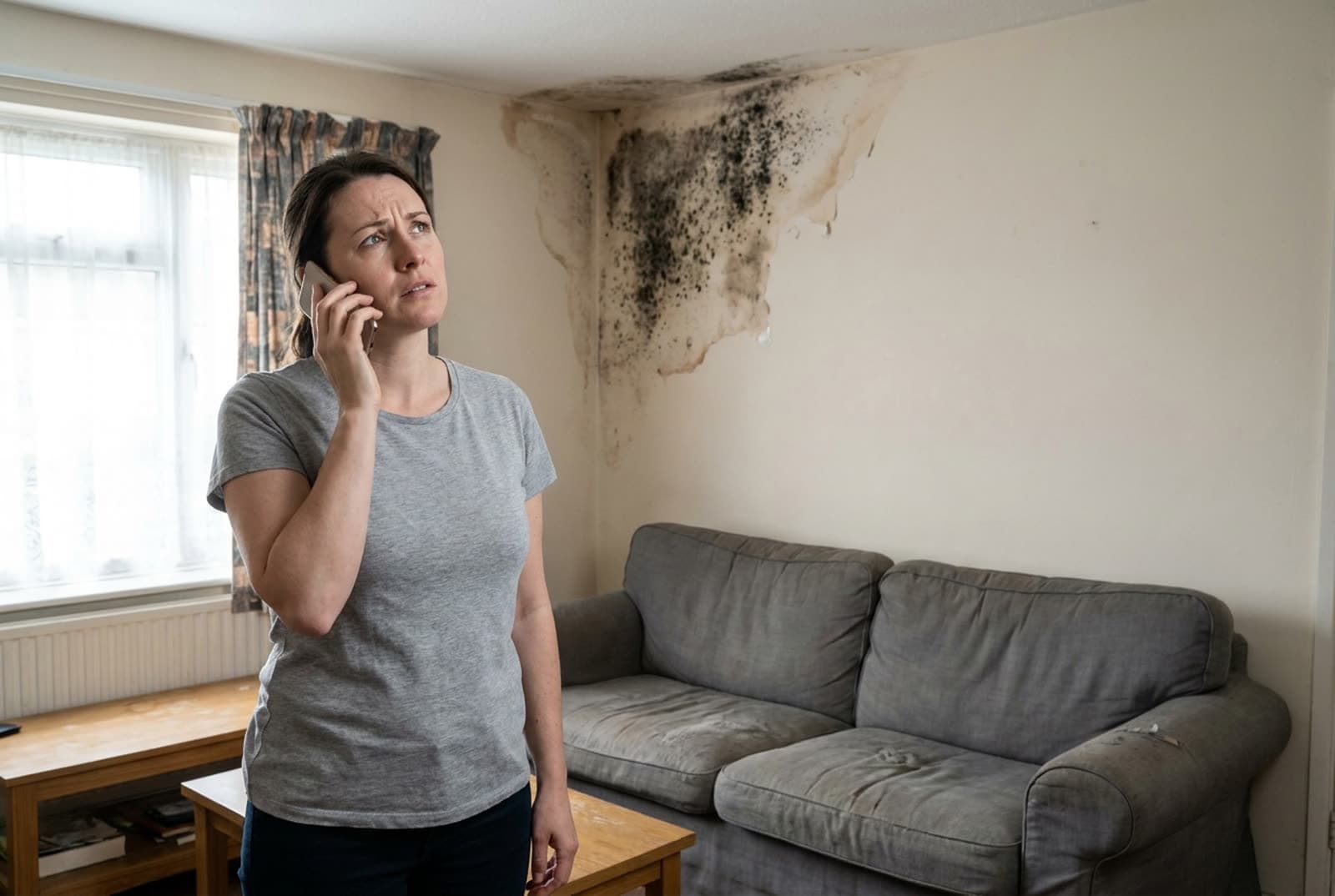
In 2021 the Housing Ombudsman published a landmark report on damp and mould. It looked at hundreds of cases and found failures across the whole sector. Landlords kept brushing off damp reports as condensation caused by tenant behaviour, rather than investigating properly. Repairs were cosmetic, not aimed at the underlying cause. Deadlines for answering complaints were missed again and again.
The report called on landlords to make a cultural shift: treat damp and mould as a hazard to fix, not a lifestyle issue to manage around the tenant. It came out before Awaab Ishak's death (December 2020) became the subject of national attention through the 2022 inquest. The inquest's findings, and the legal changes that followed, drove home the same message.
Maladministration and severe maladministration
When the Ombudsman upholds a complaint, it categorises the finding. The two key categories are maladministration and severe maladministration.
Maladministration means the landlord got something wrong in a way that caused you inconvenience, distress, or financial loss. The Ombudsman can order the landlord to apologise, do the works, and pay compensation. How much depends on how long the problem lasted and how it affected your life.
Severe maladministration is a higher bar. It is used where the failures were serious, long-running, or caused real harm. Compensation orders in these cases are typically higher. The Ombudsman publishes counts of cases in each category. In recent years severe findings have grown, reflecting landlords who kept failing tenants even after earlier warnings.
The Complaint Handling Code
The Housing Ombudsman's Complaint Handling Code became statutory in April 2024. Social landlords are legally required to follow it. The Code sets out a two-stage complaints process.
At Stage 1, the landlord should acknowledge your complaint and provide a full response within ten working days. If you are not satisfied with the Stage 1 response, you can escalate to Stage 2. The landlord then has twenty working days to provide a final response.
You can take your complaint to the Ombudsman once you have a Stage 2 response, or once the landlord has missed the required deadline. This is called exhausting the internal process. The Ombudsman normally requires it before investigating.
If your landlord is not following the Code, that failure is itself something the Ombudsman can consider. Keep records of every communication, including dates, so you can demonstrate whether deadlines were met.
Common findings in damp and mould cases
The patterns the Ombudsman identifies repeatedly include:
Treating damp as a tenant behaviour problem. A recurring failure: blaming mould on cooking, showering, or drying laundry without evidence, and using that to avoid doing repairs.
Cosmetic-only repairs. Painting over mould without treating the cause does not fix the problem. The Ombudsman has criticised landlords for this approach repeatedly. If your landlord has sent a contractor who simply painted the affected area, document it and include it in your complaint.
Missed deadlines and no updates. Agreeing to carry out an inspection or repair and then failing to do it, or not keeping the tenant informed, is treated as a process failure in itself, separate from the underlying disrepair.
Failing to consider health impact. Where a tenant has raised the health consequences of living with damp and mould, ignoring that information is seen as an aggravating factor.
What the Ombudsman cannot do
Be clear about the limits of the Ombudsman's powers. The Ombudsman cannot award compensation for personal injury. Damp and mould may have made you or a family member ill. The financial impact of that, including medical costs and related losses, cannot be claimed through the Ombudsman route. For that you need a civil claim in the courts, usually with legal advice.
The Ombudsman also cannot force a landlord to carry out works instantly. It can order works as part of a determination, but if the landlord then fails to comply, you may need to follow up with the Ombudsman again.
What to do if your complaint is not being taken seriously
If your landlord has not responded to your repair report, start the formal complaints process in writing. Say clearly that this is a Stage 1 formal complaint. Describe the problem and when you first reported it. Ask for a response within the Complaint Handling Code deadline.
If the Stage 1 response is inadequate, escalate to Stage 2 in writing. If the Stage 2 response is still unsatisfactory, or if the landlord misses the deadline, you can refer to the Housing Ombudsman Service directly via their website or by post.
While the complaint runs, you can also ask your council's environmental health team to inspect under the HHSRS. A council improvement notice works separately from the Ombudsman process, and it adds pressure on the landlord to act.
Need help?
If you are struggling to get your landlord to respond to a damp or mould problem, or you are not sure how to escalate your complaint, call us on 0800 030 4669. We can help you understand what steps are available and how to put your case together clearly.
Support For Tenants is a trading name of Cyntex Group Ltd, authorised and regulated by the Financial Conduct Authority as a Claims Management Company. FRN 1020217. Registered in England and Wales.
Reviewed against current housing law for England and Wales as at 15 June 2026. Checked by our SRA-regulated panel solicitors. This is general information, not legal advice for your specific case. Any compensation figures or ranges shown are illustrative only, not a promise; every case is different.
Renting with damp, mould or leaks your landlord won't fix?
No upfront cost. You only pay if you win, and the fee comes out of the compensation, not your pocket. If you don't win, you pay nothing.