
Section 4 of the Defective Premises Act 1972 gives tenants and visitors a right to claim when landlords fail in their duty of care over areas they control. Here is how it works.
On this page
Most tenants know Section 11 of the Landlord and Tenant Act 1985. It makes landlords keep the structure and outside of your home in repair. But Section 11 covers only your own home. And it bites only once the landlord has been told.
The Defective Premises Act 1972 covers different ground. It reaches shared areas, structural defects the landlord controls, and damage from something the landlord knew of, or should have. The key point: no report from you is needed to use it.
What Section 4 of the Defective Premises Act actually says
Section 4 puts a duty of care on anyone owing "a duty to maintain or repair" a property. In plain English: a landlord or freeholder responsible for maintaining something owes care to everyone it might touch. You. Your visitors. Your neighbours. Anyone else who might reasonably be there.
The duty bites where the landlord:
- knew of the defect, or
- ought to have known, with reasonable care and inspection
That differs from Section 11. There, the landlord must repair, but only once told. Under Section 4, a landlord with the power to inspect and maintain is expected to find problems, not wait to be told.
Who it covers
Section 4 catches social landlords, private freeholders, and private landlords alike. Anyone holding the legal right to enter and repair part of the property sits inside it:
- Housing associations answering for shared stairwells and outside walls
- Freeholders of blocks controlling the roof and shared structure
- Private landlords letting an upstairs flat while controlling the building's water or drains
Common situations where this comes up
Roof leaking into the flat below
Suppose a freeholder controls the roof, and rain gets in through a defect a proper inspection would have caught. Section 4 applies. The tenant below need prove no report. They show the landlord answered for the roof, and that a reasonable inspection would have found the problem.
Broken or poorly lit communal stairs causing a fall
A shared stairwell the landlord must maintain sits squarely under Section 4. A loose step, a broken handrail, or poor lighting causing a fall may leave the landlord liable, for the injury and for damaged belongings.
A previous repair that was done badly and is now failing
Say a contractor fixed a pipe six months ago, badly. The landlord knew of the original defect. Water coming through again, damaging the flat below, supports a Section 4 claim, even with the second leak never reported.
Structural damage from a defect the landlord knew about
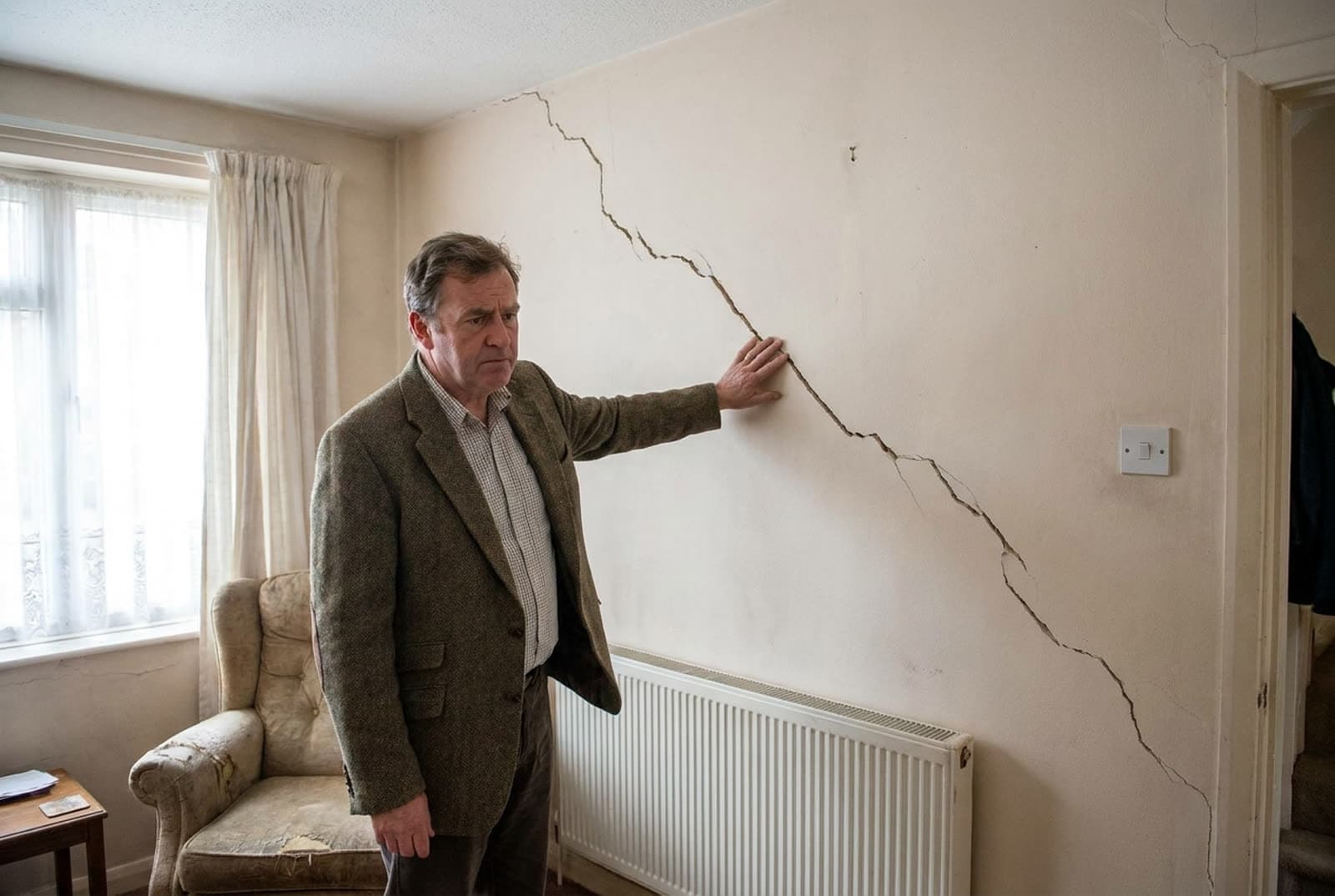
An upstairs tenant reports structural movement. The landlord does nothing. The defect later damages the flat below. The downstairs tenant holds a Section 4 claim, despite personally reporting nothing.
What you can claim
Under the Defective Premises Act 1972, you can claim for:
- Damaged belongings: furniture, electronics, clothing, flooring
- Personal injury born of the landlord's failure
- Lost use of rooms, where part of the home became unusable
- Distress and inconvenience, in fitting cases
Time limits
The time limits run strict. Property damage claims hold 6 years from the damage. Personal injury claims hold 3 years, from the injury, or from learning the landlord's failure caused it, whichever comes later.
Never sit on it. Evidence gets harder to gather with time. Landlords sometimes carry out repairs that bury the original defect.
Running a Section 4 claim alongside a Section 11 claim
Both can run at once, and often should. Section 11 covers the duty to repair your home once told. Section 4 covers the duty of care over the wider property, and the harm a defect causes. Different things, different evidence. But no rule stops them running together.
Suffered damage or injury from a defect in a part of the property the landlord controls? Call us free on 0800 030 4669 for an honest assessment: a Section 4 claim, a Section 11 claim, or both.
No upfront cost. You only pay if you win, and the fee comes out of the compensation, not your pocket. If you don't win, you pay nothing.
Sources: Defective Premises Act 1972, Section 4 (legislation.gov.uk); Section 11, Landlord and Tenant Act 1985 (legislation.gov.uk).
Support For Tenants is a trading name of Cyntex Group Ltd, authorised and regulated by the Financial Conduct Authority as a Claims Management Company. FRN 1020217. Registered in England and Wales.
Reviewed against current housing law for England and Wales as at 3 August 2026. Checked by our SRA-regulated panel solicitors. This is general information, not legal advice for your specific case. Any compensation figures or ranges shown are illustrative only, not a promise; every case is different.
Related on Support for Tenants
Renting with damp, mould or leaks your landlord won't fix?
No upfront cost. You only pay if you win, and the fee comes out of the compensation, not your pocket. If you don't win, you pay nothing.